$470
Extra a month on the average new home loan after four interest rate rises in 2026
Interest rate rises in Australia: four in 2026, and the cost
Every RBA interest rate rise in Australia in 2026, why the Reserve Bank raised rates to 4.60%, and what they add to a typical mortgage: about $470 a month.
Aussie Outrage · · 8 min read
Updated 28 October 2026
The Reserve Bank of Australia has raised interest rates four times in 2026, taking the cash rate from 3.60% to 4.60%, the highest it has been since early November 2011. Each interest rate rise was 0.25 percentage points. On the average new home loan, the four rises add about $470 a month to repayments.
$470 a month
Interest rate rises in Australia in 2026
| Announced | Change | Cash rate | In effect from |
|---|---|---|---|
| 3 February | +0.25 | 3.85% | 4 February |
| 17 March | +0.25 | 4.10% | 18 March |
| 5 May | +0.25 | 4.35% | 6 May |
| 16 June | no change | 4.35% | |
| 11 August | no change | 4.35% | |
| 29 September | +0.25 | 4.60% | 30 September |
Source: Reserve Bank of Australia.
The February rise was the first since November 2023. In between, the Reserve Bank cut rates three times in 2025, to 3.60%. This year it has reversed all three cuts and gone one further.
Back above the 2023 peak
RBA cash rate at the end of each quarter, per cent
Rate in effect on the last day of each quarter. The September 2026 rise took effect on 30 September.
Source: Reserve Bank of Australia, cash rate target
Show the data
| Date | Value |
|---|---|
| Mar 2022 | 0.1% |
| Jun 2022 | 0.85% |
| Sep 2022 | 2.35% |
| Dec 2022 | 3.1% |
| Mar 2023 | 3.6% |
| Jun 2023 | 4.1% |
| Sep 2023 | 4.1% |
| Dec 2023 | 4.35% |
| Mar 2024 | 4.35% |
| Jun 2024 | 4.35% |
| Sep 2024 | 4.35% |
| Dec 2024 | 4.35% |
| Mar 2025 | 4.1% |
| Jun 2025 | 3.85% |
| Sep 2025 | 3.6% |
| Dec 2025 | 3.6% |
| Mar 2026 | 4.1% |
| Jun 2026 | 4.35% |
| Sep 2026 | 4.6% |
Why the RBA raised interest rates
The Reserve Bank's answer each time was the same: inflation. Prices are rising faster than its 2 to 3 per cent target, and higher interest rates are meant to slow spending until they stop. Australia's inflation rate was 4.3% in the 12 months to September 2026, up from 4.0% in August, and underlying (trimmed mean) inflation rose 1.0% in the September quarter alone.
In its own words:
- February: inflation "picked up materially in the second half of 2025", and "some of the increase in inflation reflects greater capacity pressures". Spending and investment had grown "substantially more than expected".
- March: on top of that, "the conflict in the Middle East has resulted in sharply higher fuel prices, which, if sustained, will add to inflation."
- May: higher fuel prices "are already adding to inflation", and there are "early signs that many firms experiencing cost pressures are looking to increase prices".
- September: "The conflict in the Middle East has broadened and global energy prices are now much higher than had been assumed in the August forecasts." It added that "AI-related demand is driving rapid growth in global prices for technology-related goods. And there remains pressure on domestic capacity."
Some of the pressure comes from Canberra's own decisions. The ABS says the 13.2% rise in electricity prices over the year to August was "largely due to the ending of Commonwealth electricity rebates", and that August's fuel price jump was partly driven by the end of federal fuel excise relief.
Ending relief puts the full cost back on households' bills, and it shows up in the inflation figures the Reserve Bank is trying to bring down. The flip side: while the relief was in place, it held those figures down, so part of this year's rise is that relief unwinding. Why your power bill is bigger.
What an interest rate rise costs your mortgage
The average new owner-occupier home loan in Australia was $731,000 in the June quarter of 2026 (ABS). Here's what this year's rises add to the monthly repayments, if the bank passes them on in full:
| Loan | Repayment at 5.5% | One 0.25% rise | All four rises (6.5%) | Extra a year |
|---|---|---|---|---|
| $500,000 | $2,839 | +$79 | +$321 | about $3,860 |
| $731,000 (average new loan) | $4,151 | +$115 | +$470 | about $5,640 |
An Aussie Outrage calculation. Basis: a 30-year principal-and-interest loan, monthly repayments, starting from 5.5%, the average variable rate on outstanding owner-occupier loans in January 2026 (RBA table F6), with each 0.25% rise passed on in full. Your figures depend on your rate, your balance and your loan's remaining term.
That's money that can't go on groceries, rent or the power bill, which is the point: the Reserve Bank raises rates to slow spending. The September statement says the effects are showing up: "housing prices have fallen in most capital cities and new housing loans have declined noticeably."
Do the banks pass it on?
For the September rise, yes. NAB raised its variable home loan rates by 0.25% from 9 October 2026, and Macquarie raised its variable reference rates by 0.25% from 15 October. On average, the variable rate on outstanding owner-occupier loans rose from about 5.5% in January to 6.2% in August, before the September rise (RBA table F6). The government also pays more to borrow: the Reserve Bank noted in March and May that government bond yields had risen. See the interest bill on Australia's national debt.
When is the next RBA decision?
The Reserve Bank's board meets on 2 and 3 November 2026, and announces its decision on the second day. After that, the last meeting of the year is 7 and 8 December. In September, the board said it would "continue to do what it considers necessary to bring inflation sustainably back to target, including increasing the cash rate target further if needed." We'll update this page after each decision.
Questions people ask
How many interest rate rises in 2026?
Four, as at 27 October 2026. The Reserve Bank raised the cash rate by 0.25 percentage points in February, March, May and September 2026, from 3.60% to 4.60%, and held it in June and August.
How much was the last RBA rate rise?
0.25 percentage points. On 29 September 2026 the Reserve Bank raised the cash rate from 4.35% to 4.60%, effective 30 September, the highest since early November 2011.
Why did the RBA raise interest rates?
To bring down inflation, which was 4.3% in the 12 months to September 2026, above the Reserve Bank's 2 to 3 per cent target. In September 2026 the Reserve Bank pointed to higher global energy prices from the Middle East conflict, AI-driven rises in global technology prices and pressure on Australia's economic capacity.
How much does a 0.25% interest rate rise cost?
About $115 a month on a $731,000 home loan, the average new owner-occupier loan in mid-2026, and about $79 a month on a $500,000 loan. That's an Aussie Outrage calculation for a 30-year principal-and-interest loan starting at 5.5%, with the rise passed on in full.
When is the next RBA rate decision?
The Reserve Bank's board meets on 2 and 3 November 2026 and announces its decision on 3 November. The next meeting after that is on 7 and 8 December 2026.
Will interest rates rise again?
The Reserve Bank hasn't ruled it out. In September 2026 it said it would do what it considers necessary to bring inflation back to target, "including increasing the cash rate target further if needed". We don't forecast rates; we update this page after each decision.
How many interest rate rises under Labor?
Sixteen rises and three cuts since the Albanese Government was sworn in on 23 May 2022: seven in 2022, five in 2023 and four in 2026, with cuts in 2025. The first rise of that cycle, in May 2022, came under the Morrison Government. Interest rates are set by the independent Reserve Bank, not the government. In 2026 the Reserve Bank has pointed to inflation, global energy prices and pressure on the economy's capacity.
Four rate rises in eight months. The people paying for them are households with a mortgage, who are already paying more at the bowser and for power.
Has your mortgage gone up this year? Tell us what it's costing you.
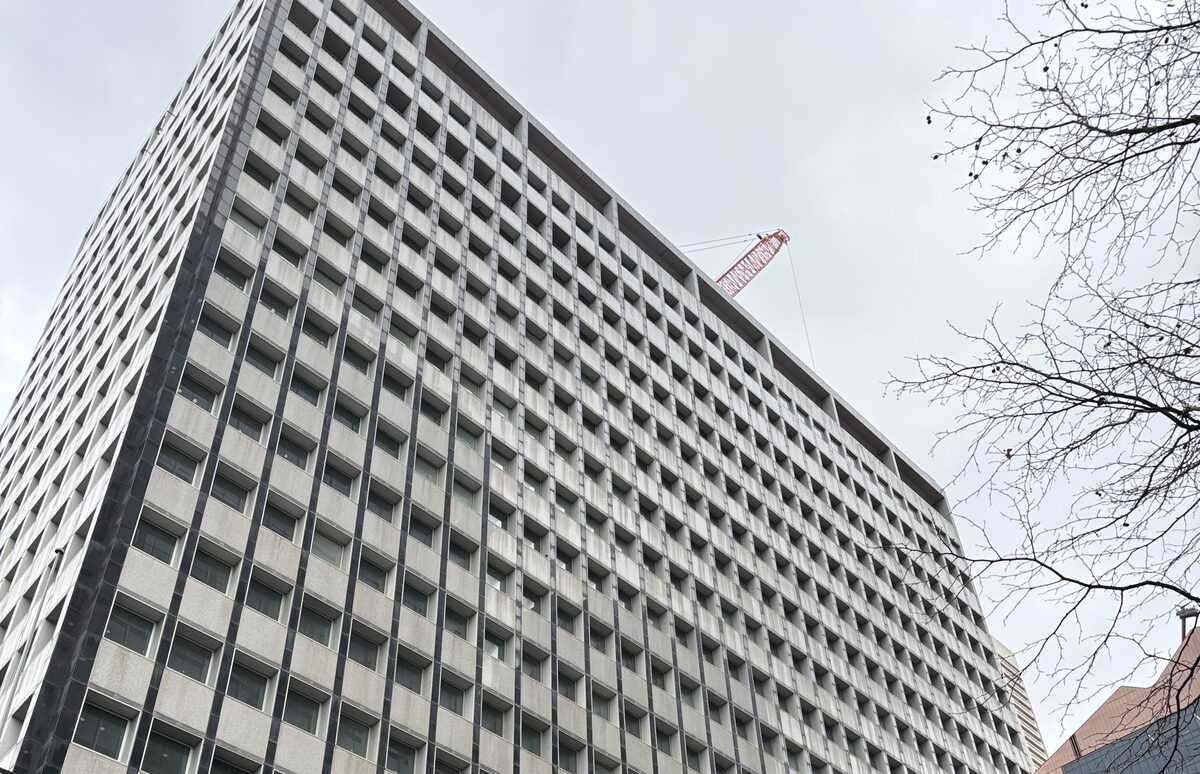
Top photo: the Reserve Bank of Australia building in Sydney, August 2025 (cropped). Photo: Nick-D, CC BY-SA 4.0, via Wikimedia Commons.
Sources
- RBA: Cash rate target, decisions and effective dates (opens in a new tab)
- RBA: Statement by the Monetary Policy Board, 3 February 2026 (opens in a new tab)
- RBA: Statement by the Monetary Policy Board, 17 March 2026 (opens in a new tab)
- RBA: Statement by the Monetary Policy Board, 5 May 2026 (opens in a new tab)
- RBA: Statement by the Monetary Policy Board, 29 September 2026 (opens in a new tab)
- RBA: Board meeting schedules 2026 and 2027 (opens in a new tab)
- RBA: Statistical table F6, Housing lending rates (published 8 Oct 2026) (opens in a new tab)
- ABS: Lending Indicators, June quarter 2026 (average owner-occupier loan size) (opens in a new tab)
- NAB: RBA announcement, variable rate change effective 9 October 2026 (opens in a new tab)
- Macquarie: RBA interest rate decision, variable rate change effective 15 October 2026 (opens in a new tab)
- Prime Minister of Australia: About the Prime Minister (opens in a new tab)
Spotted an error, or named in this story and want to respond? Tell us. We correct mistakes openly, under our editorial standards.
Got a story we should tell?
Waste you've seen up close, a policy that's hurting your family, a cost you can't keep up with. We read every tip and protect our sources.
Send us a tipMore in Cost of Living
Car insurance premiums: up 42%, and insurers don't say why
Car insurance premiums in Australia rose 42% in five years and another 8% last year. ASIC found no insurer explained why. What's driving it and how to pay less.
Aussie Outrage · · 8 min read
Coles Down Down court case: 13 of 14 discounts not genuine
The Coles Down Down court case: a judge found 13 of 14 discounts weren't genuine. No penalty until 2027, Woolworths awaits judgment, and profits are up.
Aussie Outrage · · 7 min read
Rent prices in Australia now take a record 34% of income
Rent prices in Australia: the median is $713 a week, renters pay a record 34% of income, and a full-time minimum wage worker can afford 0.5% of listings.
Aussie Outrage · · 6 min read

Australia's inflation rate climbs to 4.3%. Here's why
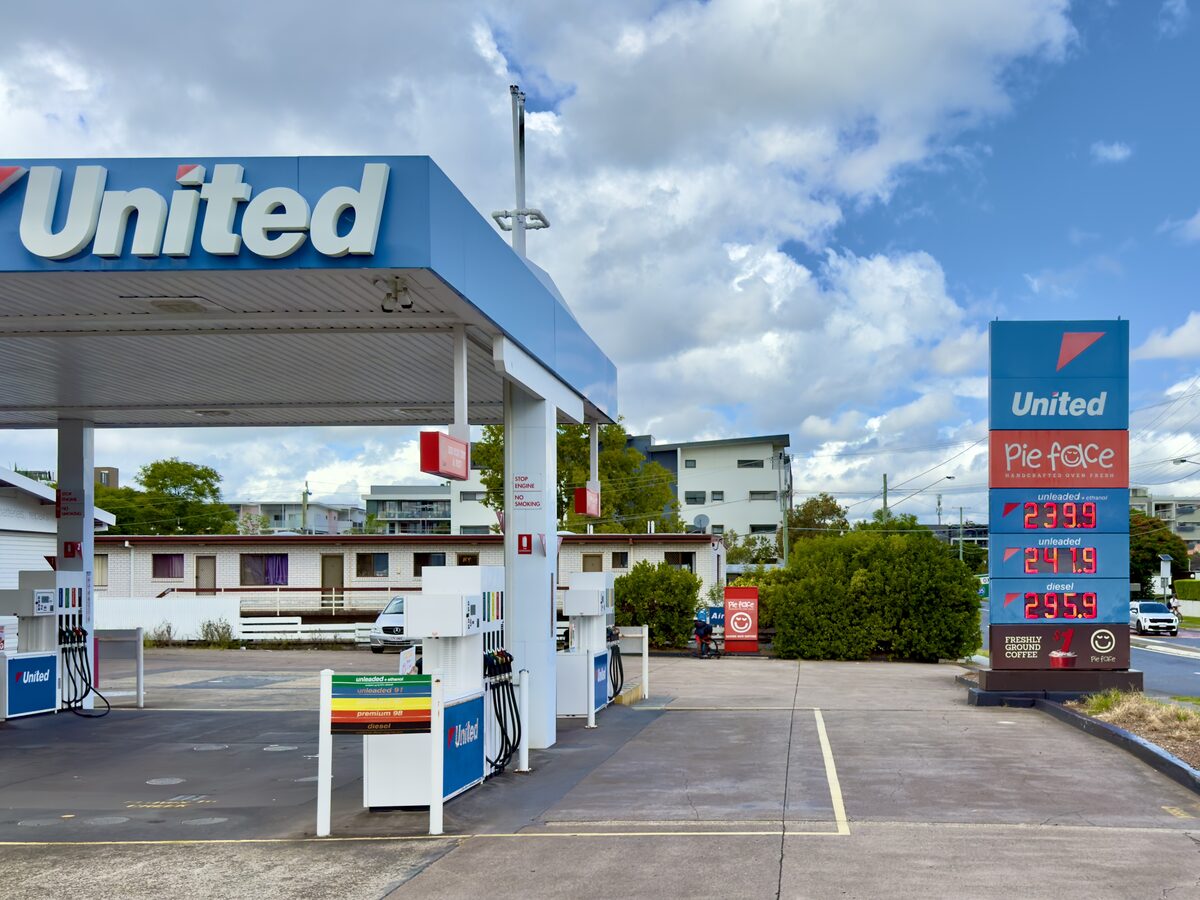
Australia's inflation rate rose to 4.3% in September 2026, up from 4.0%. Petrol, up 23.6% in a year, and power bills after the rebates ended led the rise.
Aussie Outrage · · 13 min read