34%
Share of pre-tax income the typical renting household spent on rent in June 2026, the highest on record
Rent prices in Australia now take a record 34% of income
Rent prices in Australia: the median is $713 a week, renters pay a record 34% of income, and a full-time minimum wage worker can afford 0.5% of listings.
Aussie Outrage · · 6 min read
Rent prices in Australia have never taken a bigger share of renters' income. The typical renting household spent about 34% of its pre-tax income on rent in June 2026, the highest on record, according to property data firm Cotality. The national median rent is now $713 a week.
And on the minimum wage, there's almost nothing to rent at all. Here's what renters pay, why rent is so expensive, and whether rent prices in Australia will come down.
34%
Rent prices in Australia right now
Cotality's September 2026 review puts the national median rent at $713 a week, up 5.5% in a year. That's about $37,000 a year before you've paid for anything else.
The capitals with the highest median rents:
| City | Median rent (September 2026) |
|---|---|
| Sydney | $843 a week |
| Perth | $798 a week |
| Darwin | $774 a week (up 11.6% in a year) |
Source: Cotality Quarterly Rental Review, September 2026. Annual figure for 52 weeks at the national median is an Aussie Outrage calculation ($713 × 52).
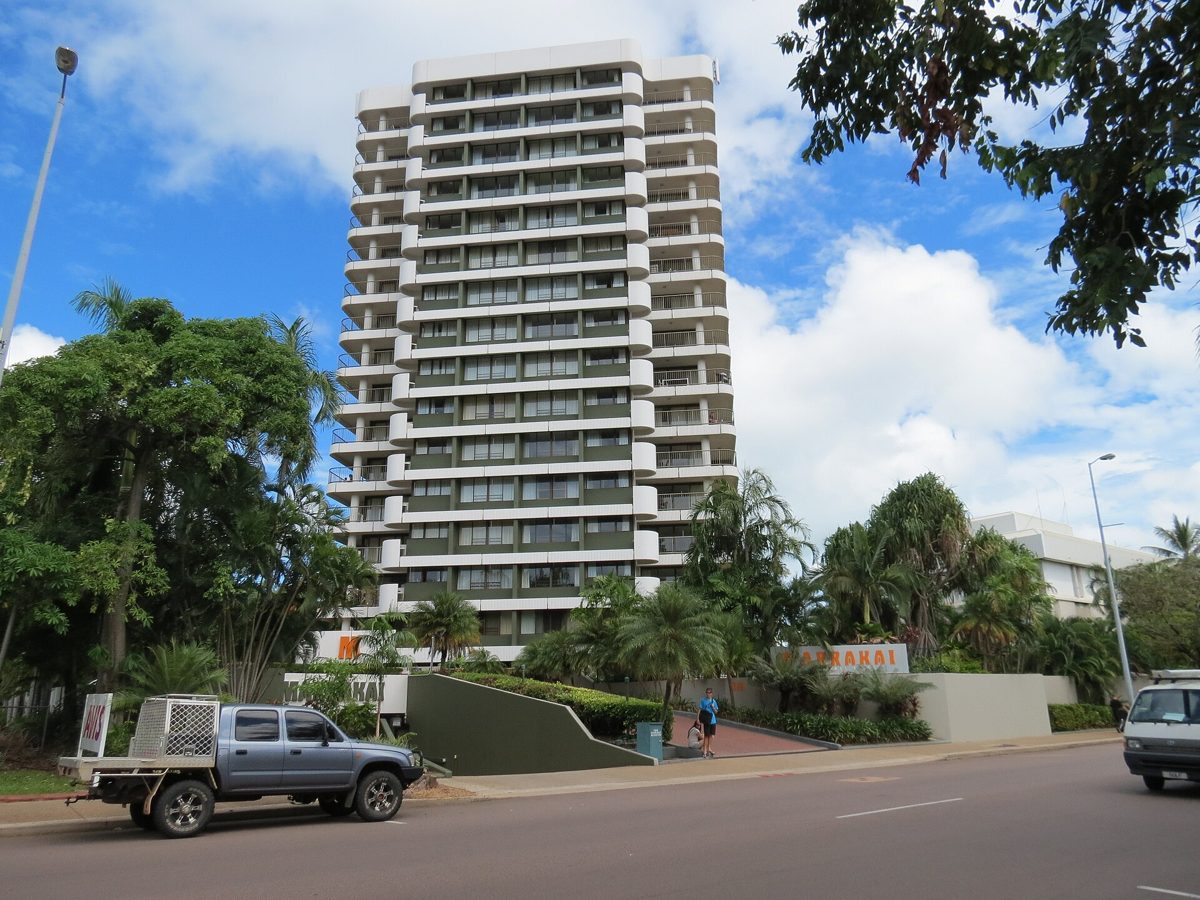
Darwin had the fastest rent rise of the capitals in Cotality's September 2026 review. Photo: Ken Hodge, CC BY 2.0, via Wikimedia Commons.
The ABS measures rent differently, across all tenants including those on existing leases, not just new listings. On its measure, rents rose 3.6% in the 12 months to August 2026.
Rents rose 2.5 times faster than wages
Over five years, rents have run away from pay. In the five years to September 2025, national rents rose 43.9%, while wages rose 17.5% (Cotality, reported by the ABC). In Western Australia, rents rose 66% against wage growth of 18.5%.
Rents rose 2.5 times faster than wages
Growth over the five years to September 2025, per cent
Wages
17.5%Rents
43.9%
Source: Cotality, reported by ABC News, 11 February 2026
Show the data
| Item | Value |
|---|---|
| Wages | 17.5% |
| Rents | 43.9% |
In dollars, Cotality's September 2026 review says five years of rises have added about $208 a week to the typical unit rent (up 44.3%) and $195 a week to the typical house rent (up 36.6%).
Who can afford to rent? Almost no one on low incomes
Every year Anglicare Australia takes a snapshot of the tens of thousands of rentals listed on realestate.com.au over one weekend, and counts how many a household could rent without spending more than 30% of its income. On 14–15 March 2026 there were 48,776 listings. Here's how many were affordable:
On the minimum wage, 0.5% of rentals are affordable
Share of 48,776 rental listings that were affordable and suitable, March 2026, per cent
Single, JobSeeker
1 homeSingle, Age Pension
0.2%Single, full-time minimum wage
0.5%Family of four, both parents on minimum wage
14.8%
Affordable means rent of no more than 30% of the household's income. JobSeeker: one property nationally.
Source: Anglicare Australia, Rental Affordability Snapshot 2026
Show the data
| Item | Value |
|---|---|
| Single, JobSeeker | 1 home |
| Single, Age Pension | 0.2% |
| Single, full-time minimum wage | 0.5% |
| Family of four, both parents on minimum wage | 14.8% |
A single person working full-time on the minimum wage could afford 255 of those 48,776 homes. A family of four with both parents on the full-time minimum wage could afford 14.8%. Anglicare notes that in earlier years of its snapshot, a family with two minimum wage incomes could afford around one in four listings.
Why is rent so expensive in Australia?
Not enough homes, and not enough empty ones. Cotality's national vacancy rate was 2.1% in September 2026, below its pre-COVID decade average of 3.3%. Cotality's research director, Tim Lawless, says rent growth was strongest in the pandemic, "when average household sizes fell sharply as people sought additional space".
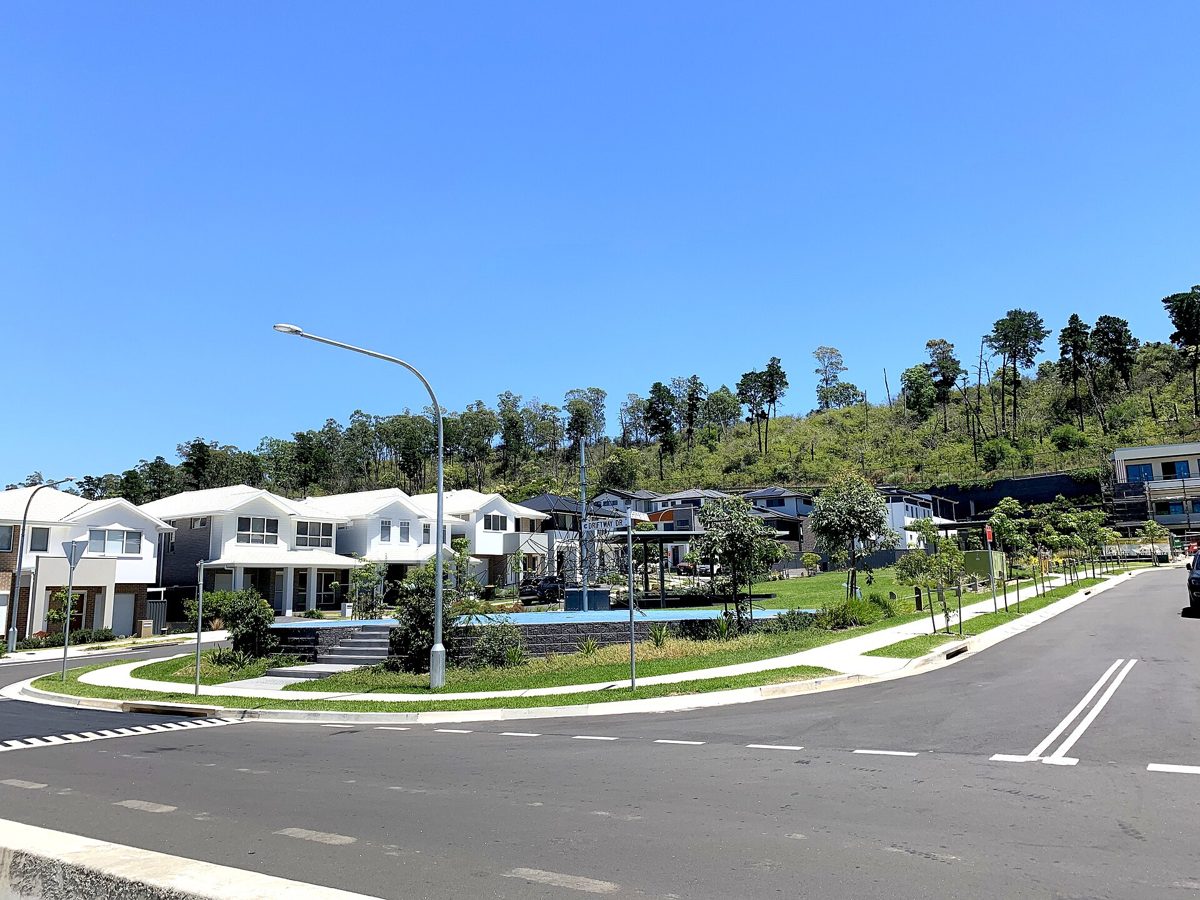
A new housing estate in Pemulwuy, Western Sydney. Photo: Yucalyptus, CC0, via Wikimedia Commons.
The main answer from governments is the National Housing Accord: a target agreed by National Cabinet in August 2023 of 1.2 million new homes in the five years from 1 July 2024 to 30 June 2029. Two years in, Australia is about 124,000 homes behind the pace needed, according to the Urban Development Institute of Australia's count of ABS completions (355,820 built against 480,000 needed). The UDIA projects the shortfall could reach about 310,000 by the end of the Accord.
Will rent prices go down?
Rents are rising more slowly, not falling. Cotality says rents rose just 0.5% in the September quarter, down from 1.6% in June and 2.1% in March, and vacancies are rising. Mr Lawless's explanation: "renters are reaching an affordability ceiling." In other words, rents are slowing because tenants can't pay more, not because there are suddenly enough homes.
Questions people ask
What is the average rent in Australia?
The national median rent was $713 a week in September 2026, up 5.5% in a year, according to Cotality's Quarterly Rental Review. Sydney's median was $843 a week, the highest of the capitals.
How much of their income do Australians spend on rent?
About 34% of pre-tax income for the typical renting household in June 2026, the highest on record, according to Cotality. The recent low was 26.2% in September 2020.
Why is rent so expensive in Australia?
Mainly a shortage of homes to rent. Cotality's national vacancy rate was 2.1% in September 2026, below its pre-COVID decade average of 3.3%, and Australia is about 124,000 homes behind the pace needed for the National Housing Accord's 1.2 million new homes, according to the UDIA.
Will rent prices go down in Australia?
They're rising more slowly, not falling. Cotality says national rents rose 0.5% in the September 2026 quarter, down from 2.1% in March, and its research director says renters are reaching an affordability ceiling. We don't forecast rents.
Is there a rental crisis in Australia?
On the numbers, yes for low-income renters, and rent takes a record 34% of the typical renting household's pre-tax income (Cotality, June 2026). Anglicare's March 2026 snapshot found a full-time minimum wage worker could afford 0.5% of 48,776 rental listings, and a single person on JobSeeker could afford one.
How much have rents gone up compared with wages?
National rents rose 43.9% in the five years to September 2025, while wages rose 17.5%, according to Cotality data reported by the ABC in February 2026.
For the typical renting household, about a third of pre-tax income now goes to the landlord. On the minimum wage, the rental market barely exists. It's the same squeeze that's pushing up Australia's inflation rate, and it lands on top of higher power bills.
What has your rent gone up by? Tell us.
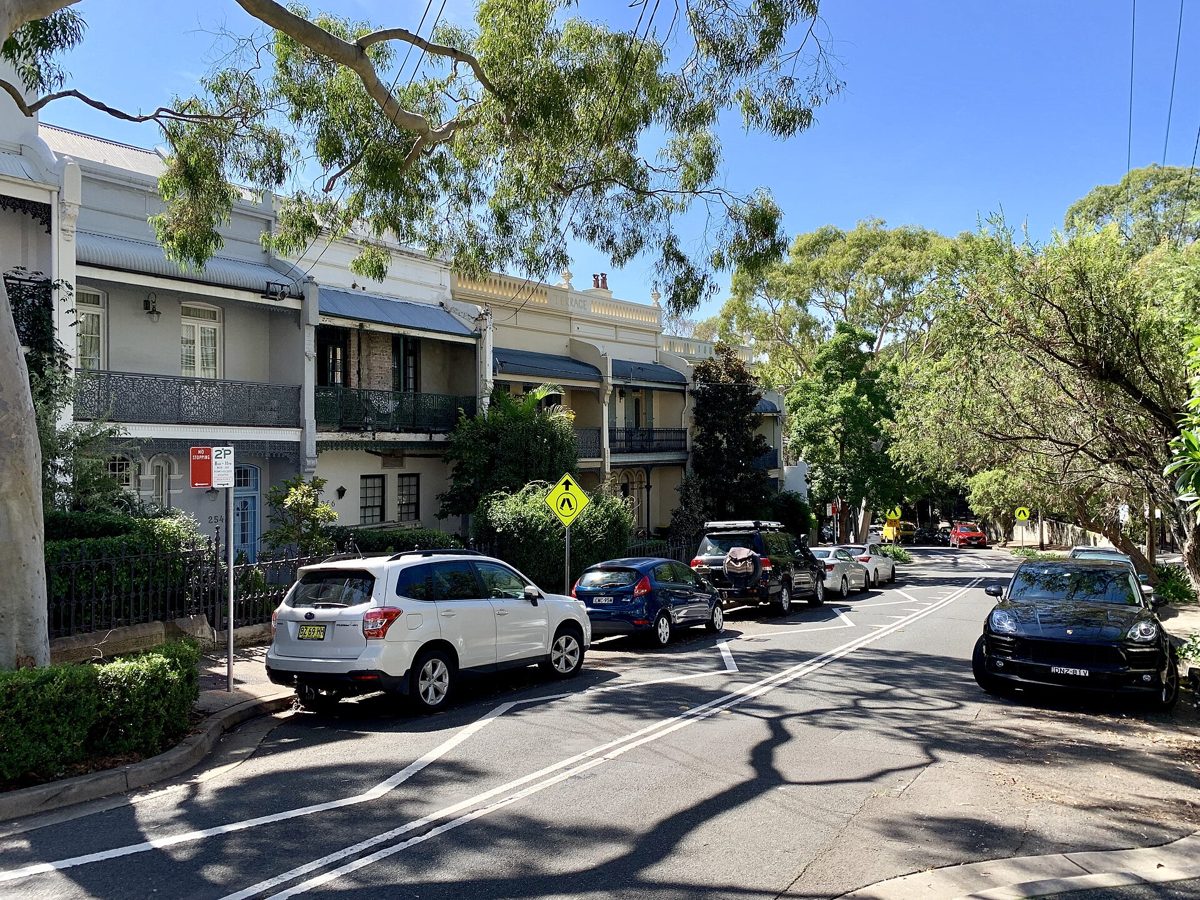
Top photo: terrace houses at Fiveways, Paddington, Sydney. Photo: Kgbo, CC BY-SA 4.0, via Wikimedia Commons.
Sources
- Cotality: Quarterly Rental Review, September 2026 (9 Oct 2026) (opens in a new tab)
- Anglicare Australia: Rental Affordability Snapshot 2026, National Report (April 2026) (opens in a new tab)
- ABS: Consumer Price Index, Australia, August 2026 (opens in a new tab)
- ABC News: Rental affordability hits record low as rents rise 2.5 times faster than wages (11 Feb 2026) (opens in a new tab)
- ABS: Latest insights into the rental market (28 May 2025) (opens in a new tab)
- Treasury: Delivering the National Housing Accord (opens in a new tab)
- Prime Minister: Meeting of National Cabinet, working together to deliver better housing outcomes (16 Aug 2023) (opens in a new tab)
- UDIA: Completions improve, but Australia remains 124,000 homes behind National Housing Accord target (8 Oct 2026) (opens in a new tab)
Spotted an error, or named in this story and want to respond? Tell us. We correct mistakes openly, under our editorial standards.
Got a story we should tell?
Waste you've seen up close, a policy that's hurting your family, a cost you can't keep up with. We read every tip and protect our sources.
Send us a tipMore in Cost of Living
Car insurance premiums: up 42%, and insurers don't say why
Car insurance premiums in Australia rose 42% in five years and another 8% last year. ASIC found no insurer explained why. What's driving it and how to pay less.
Aussie Outrage · · 8 min read
Coles Down Down court case: 13 of 14 discounts not genuine
The Coles Down Down court case: a judge found 13 of 14 discounts weren't genuine. No penalty until 2027, Woolworths awaits judgment, and profits are up.
Aussie Outrage · · 7 min read
Australia's inflation rate climbs to 4.3%. Here's why
Australia's inflation rate rose to 4.3% in September 2026, up from 4.0%. Petrol, up 23.6% in a year, and power bills after the rebates ended led the rise.
Aussie Outrage · · 13 min read


Interest rate rises in Australia: four in 2026, and the cost
Every RBA interest rate rise in Australia in 2026, why the Reserve Bank raised rates to 4.60%, and what they add to a typical mortgage: about $470 a month.
Aussie Outrage · · 8 min read